
Education Of India
I have spent fifteen years working inside India’s schooling framework. I have audited over fifty rural and urban schools across ten states. My work focuses on transitioning traditional rote-learning classrooms into active skill-based learning spaces.
Introduction
Choosing the right educational path in India is difficult. Parents and students constantly struggle with intense competition and shifting board patterns. Navigating the massive transition from school to higher education can feel overwhelming.
This guide breaks down how the Indian education system works today. You will learn about structural changes, major boards, and practical challenges. We will look at real solutions to help you make informed decisions for your academic future.
The Core Structure of Indian Education
The Indian education system is undergoing its biggest transformation in decades. The National Education Policy 2020 is actively replacing the old school model [1].
The New 5+3+3+4 Structure
The old system focused heavily on rote learning from age six. The new model builds a stronger foundation from early childhood.
- Foundational Stage (5 Years): This covers ages three to eight. It includes three years of preschool and grades one and two. The focus is entirely on play-based learning.
- Preparatory Stage (3 Years): This covers ages eight to eleven for grades three to five. It introduces light textbooks and interactive classroom learning.
- Middle Stage (3 Years): This covers ages eleven to fourteen for grades six to eight. Students begin learning abstract concepts in science, mathematics, and humanities.
- Secondary Stage (4 Years): This covers ages fourteen to eighteen for grades nine to twelve. It offers multidisciplinary study with deep critical thinking.
| Stage | Grade Level | Age Group | Focus Area |
| Foundational | Preschool to Grade 2 | 3 to 8 Years | Play-based learning and language |
| Preparatory | Grades 3 to 5 | 8 to 11 Years | Interactive classrooms and literacy |
| Middle | Grades 6 to 8 | 11 to 14 Years | Subject discussions and humanities |
| Secondary | Grades 9 to 12 | 14 to 18 Years | Critical thinking and flexible choices |
National Boards vs State Boards
Families face a major choice between different educational boards. Each board serves a different career path.
Central Board of Secondary Education (CBSE)
CBSE is the most popular national board in India. It follows the national curriculum closely [2]. The syllabus aligns directly with major competitive exams like NEET and JEE. It is highly structured and factual.
Indian Certificate of Secondary Education (ICSE)
ICSE focuses heavily on English literature and comprehensive understanding. The syllabus is vast and detailed. It balances science, arts, and management subjects equally. It helps students who want to study abroad later.
State Boards
Each state runs its own board. These boards focus on regional language, local history, and culture. They are usually more affordable than national boards. However, grading standards vary significantly from state to state.
“True educational reform in India happens when we stop testing memory and start testing application. The shift toward skill-based learning is a massive step forward.”
Higher Education and Technical Streams
India holds one of the largest higher education networks globally [3]. After grade twelve, students face intense selection processes for premier universities.
Engineering and Medicine
Technical education remains highly prestigious in Indian society. Institutions like the Indian Institutes of Technology (IITs) and the All India Institutes of Medical Sciences (AIIMS) accept fewer than one percent of applicants. This creates a massive shadow education market of coaching institutes.
Liberal Arts and Commerce
The demand for non-technical fields is rising rapidly. Students now choose specialized degrees in data analytics, design, and economics. New age universities are introducing flexible degrees that mix arts and sciences.
Real Challenges in the System
Understanding the flaws in the system helps you plan better workarounds.
The Rote Learning Trap
Many schools still reward memorization over actual understanding. Students often score perfect marks but struggle with real-world problem solving.
The Employability Gap
A large percentage of Indian graduates struggle to find jobs immediately [4]. University curricula often lag behind current industry requirements. Technology changes fast but textbook updates take years.
Mental Health Stigma
Academic pressure causes severe anxiety among young students. The focus on high percentages creates an environment of constant comparison. Schools are only now starting to hire full-time counselors.
“Students do not fail because they lack capability. They fail because our traditional evaluation metrics value memory over original thinking.”
Practical Solutions for Parents and Students
Focus on Skills Outside School
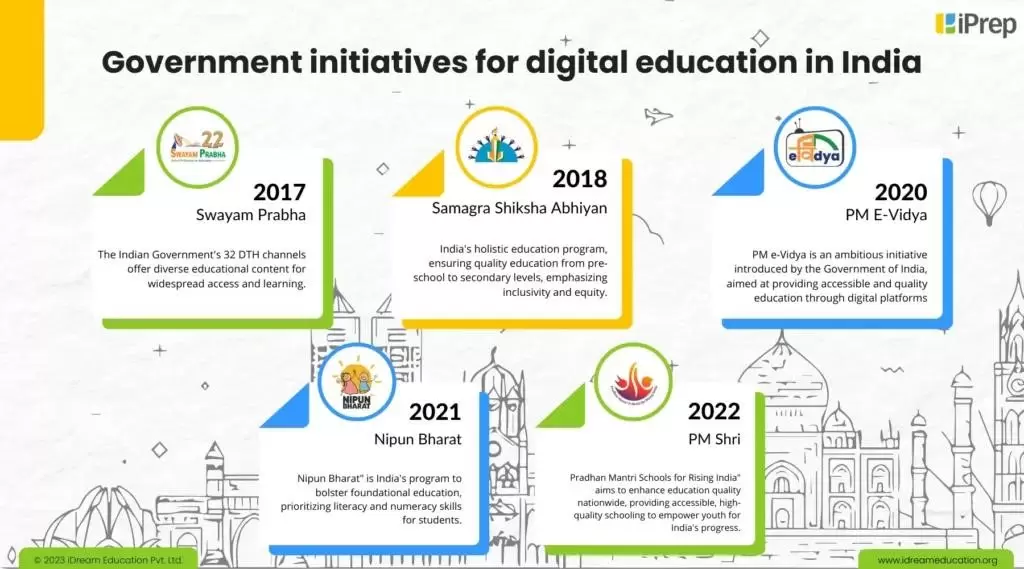
Do not rely solely on school marks. Enroll in online coding courses, public speaking workshops, or creative writing groups. Platforms like Swayam offer free courses from top professors [5].
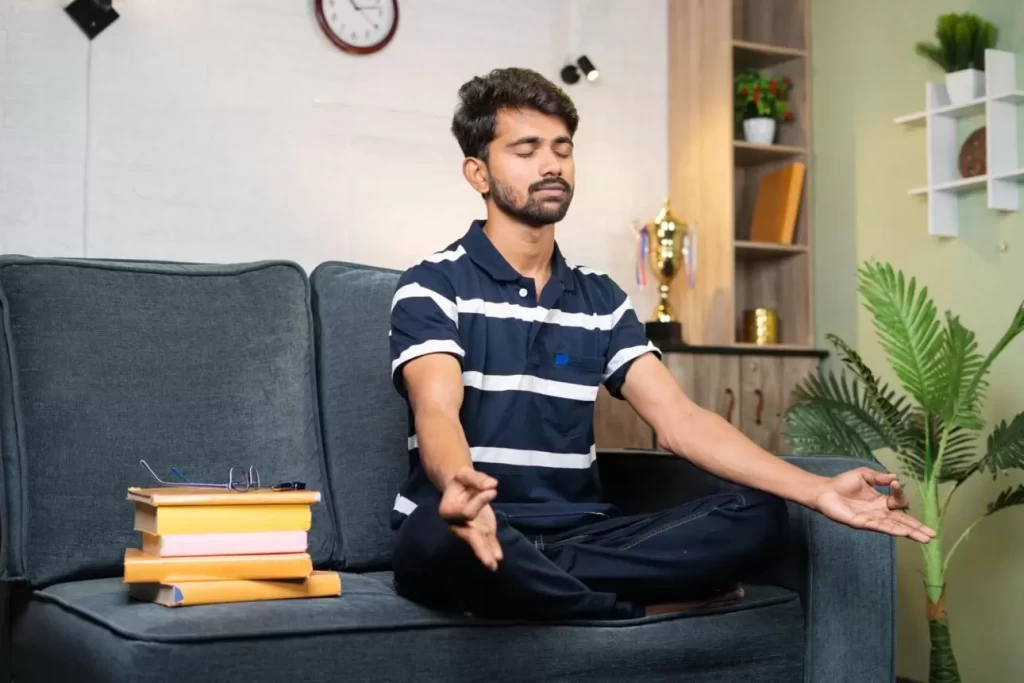
Balance Academics and Well-being
Encourage extracurricular activities to reduce stress. A student who plays sports or learns music handles exam pressure much better
Research Alternative Careers
Engineering and medicine are no longer the only stable paths. Digital marketing, user interface design, and content creation offer excellent financial growth. Look at market trends before choosing a university degree.
Conclusion
The Indian education system is in a transition phase. It mixes traditional competitive pressure with modern flexible policies. By understanding this structure, you can bypass the traps of rote learning and build a successful global career.
