
Ancient Principles to Solve Modern Education Gaps
Gurukul Siksha Pranali
Ancient Principles to Solve Modern Education Gaps
Introduction
Modern education faces a major crisis. Students memorize facts to pass exams but they lack life skills. Stress is rising and deep learning is fading. You are likely here because you want a better way to educate the next generation.
This article will help you understand the Gurukul siksha pranali (Gurukul education system). You will learn how its core principles can fix modern schooling problems. We will explore practical ways to use this ancient wisdom today.
What is Gurukul Siksha Pranali?
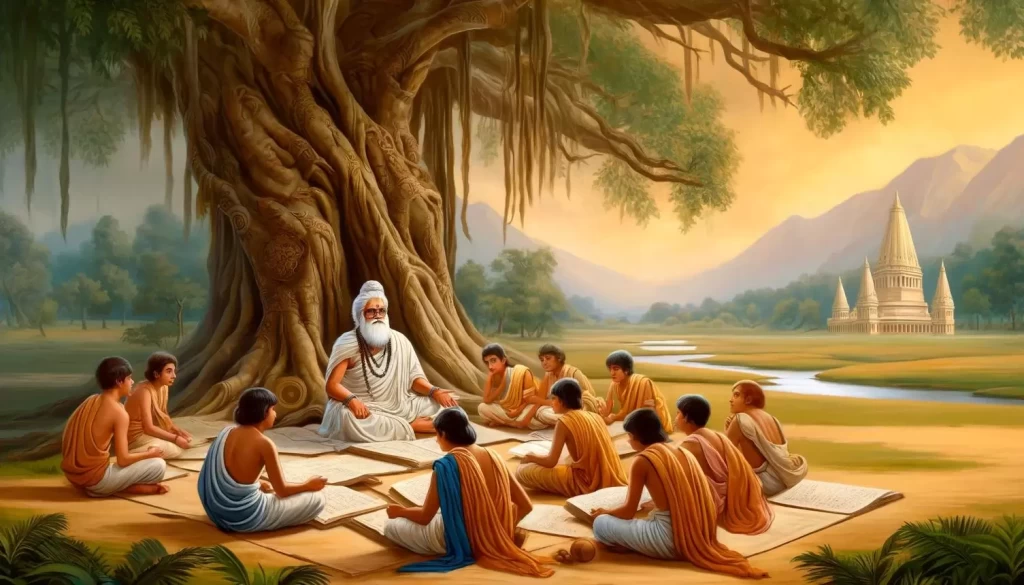
The Gurukul siksha pranali is India’s ancient residential schooling system. Students lived with their teacher (Guru) in an ashram. This system was not just about reading books. It focused on complete human development.
The Core Philosophy
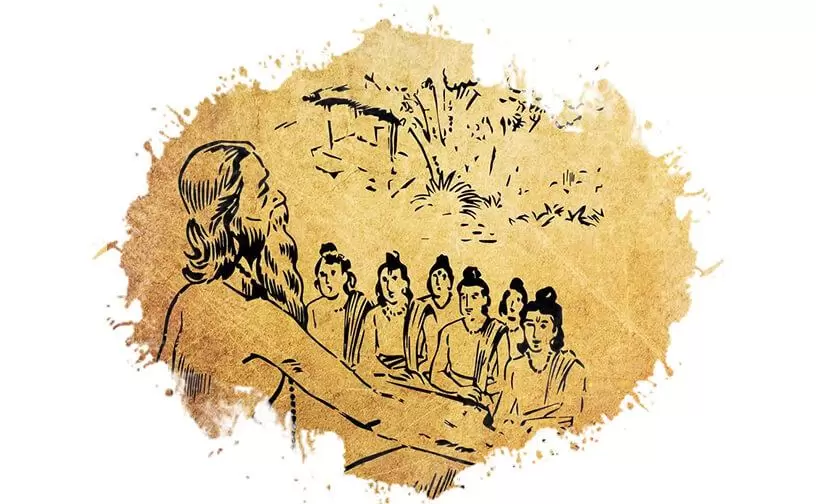
The word Gurukul comes from “Guru” (teacher) and “Kula” (family). The school operated like a large family. Students left their homes at a young age to live a disciplined life. Education was free and open to seekers of knowledge.
Key Features of Ancient Learning
- Residential Living: Students lived together. This built strong bonds and social skills.
- Holistic Curriculum: The syllabus included Vedas, science, warfare, astronomy, and arts.
- Daily Discipline: Students woke up early. They performed daily chores and practiced meditation.
The Core Pillars of Gurukul Education
The ancient system relied on specific pillars to ensure deep learning. These pillars made education natural and stress-free.
1. Acharya Devobhava (The Teacher-Disciple Bond)
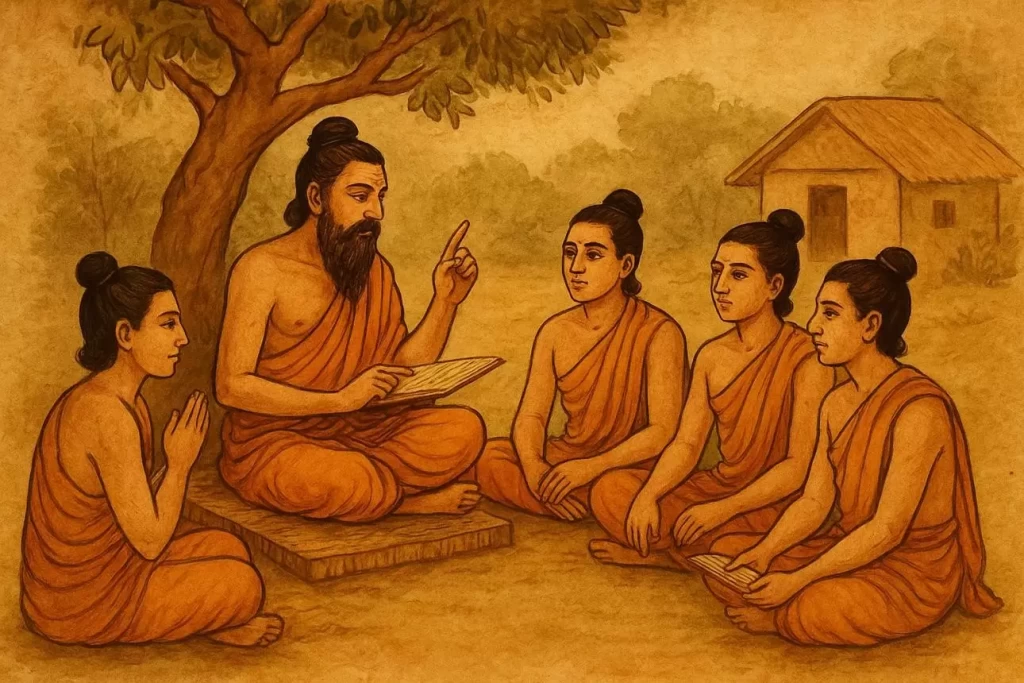
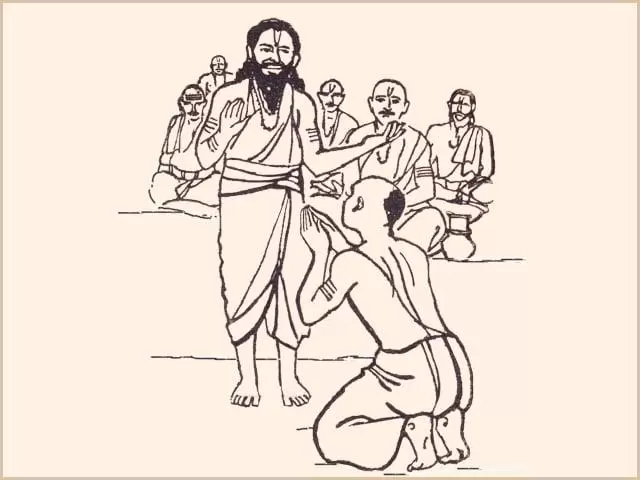
The relationship between the Guru and the Shishya was sacred. The Guru did not just deliver lectures. The Guru lived the values they taught. This created deep trust.
2. Shravana, Manana, and Nididhyasana
Learning followed a three-step cognitive process:
- Shravana: Listening closely to the spoken words of the teacher.
- Manana: Thinking deeply and reflecting on the lesson.
- Nididhyasana: Applying the truth in daily life.
3. Dignity of Labor
Every student did physical work. They collected firewood, cooked food, and cleaned the ashram. A king’s son and a poor student did the same chores. This wiped out ego and taught humility.
“True education does not fill a vessel. It ignites a flame of curiosity and builds human character.”
Why Modern Education is Failing Our Children
Modern schools prioritize rote memorization. Research shows this causes high anxiety and low retention. Let us compare the two systems to understand the gaps.
| Features | Modern School System | Gurukul Siksha Pranali |
| Primary Goal | Exam scores and job placement | Character building and life skills |
| Environment | Competitive classrooms | Cooperative living in nature |
| Teaching Method | Mass lectures and text books | Personalized mentoring and practice |
| Financial Model | High tuition fees | Free Demo education via community support |
Google Search Central documentation emphasizes creating people-first content [1]. Our comparison shows that the Gurukul system was inherently people-first. It focused on the student’s well-being instead of systemic metrics.
Cognitive Benefits of Ancient Learning Methods
Ancient Indian education used unique tools to boost brain power. Modern science is now proving these benefits.
Chanting and Memory Power
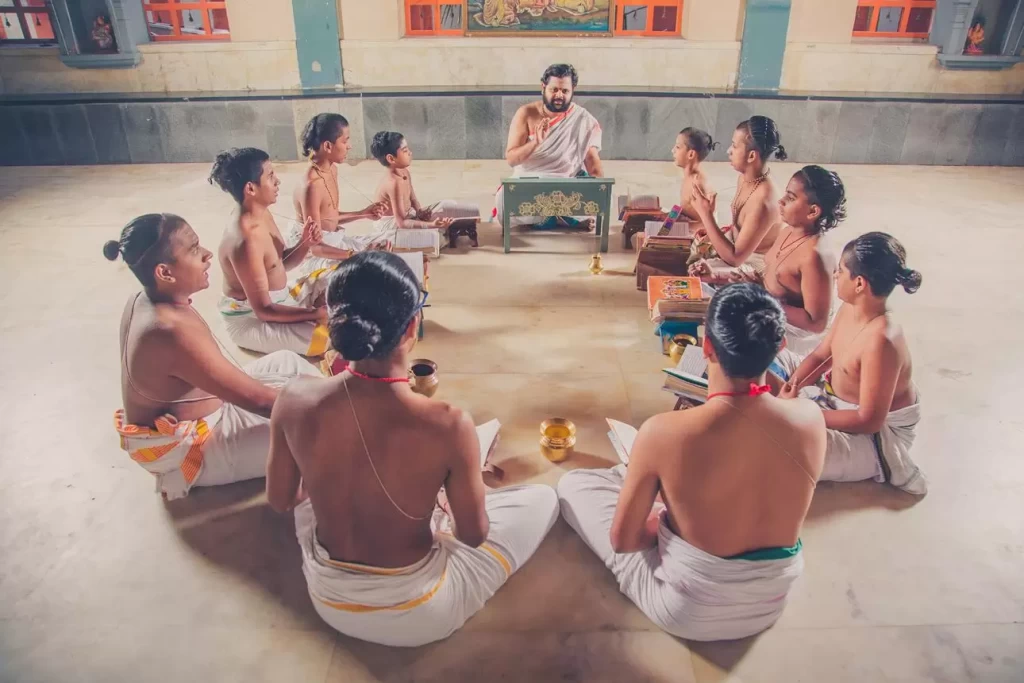
Students chanted Sanskrit verses daily. Studies show that structured chanting increases the grey matter in brain regions associated with memory. It improves focus and calms the nervous system.
Experiential Learning
Lessons happened in open nature. If a student learned about plants, they spent days in the forest. This real-world connection made knowledge permanent.

Ahrefs research on user search intent shows a rising interest in alternative schooling [2]. People want educational models that protect mental health. The Gurukul model offers a proven path.
Bringing Gurukul Principles into Modern Homes and Schools
We cannot fully move into forests today. However, we can adopt the core ethos of the Gurukul system in our current lives.
Practical Steps for Parents
- Encourage Chores: Make children clean their rooms and help in the kitchen. This builds the dignity of labor.
- Nature Time: Spend weekends outdoors without gadgets. Let nature be the teacher.
- Moral Storytelling: Use evening time to discuss ethics through ancient stories.
Practical Steps for Schools
- Reduce Class Sizes: Smaller groups allow teachers to become true mentors.
- Project-Based Learning: Replace some written tests with real-world problem-solving.
- Focus on Mindfulness: Start the school day with five minutes of silence or deep breathing.
“A teacher who guides with love creates lifelong learners. Mentorship matters more than infrastructure.”
